Why Greeks Consider Tuesday the 13th an Unlucky Day
Unlike much of the Western world, Greeks associate bad luck with Tuesday the 13th—a belief rooted in history, religion, astrology, and long-standing folk traditions.
While Friday the 13th is widely feared in many countries, Greeks traditionally view Tuesday the 13th as the unluckiest date on the calendar. The belief remains deeply embedded in Greek culture, drawing on a mix of historical events, religious symbolism, and ancient superstition.
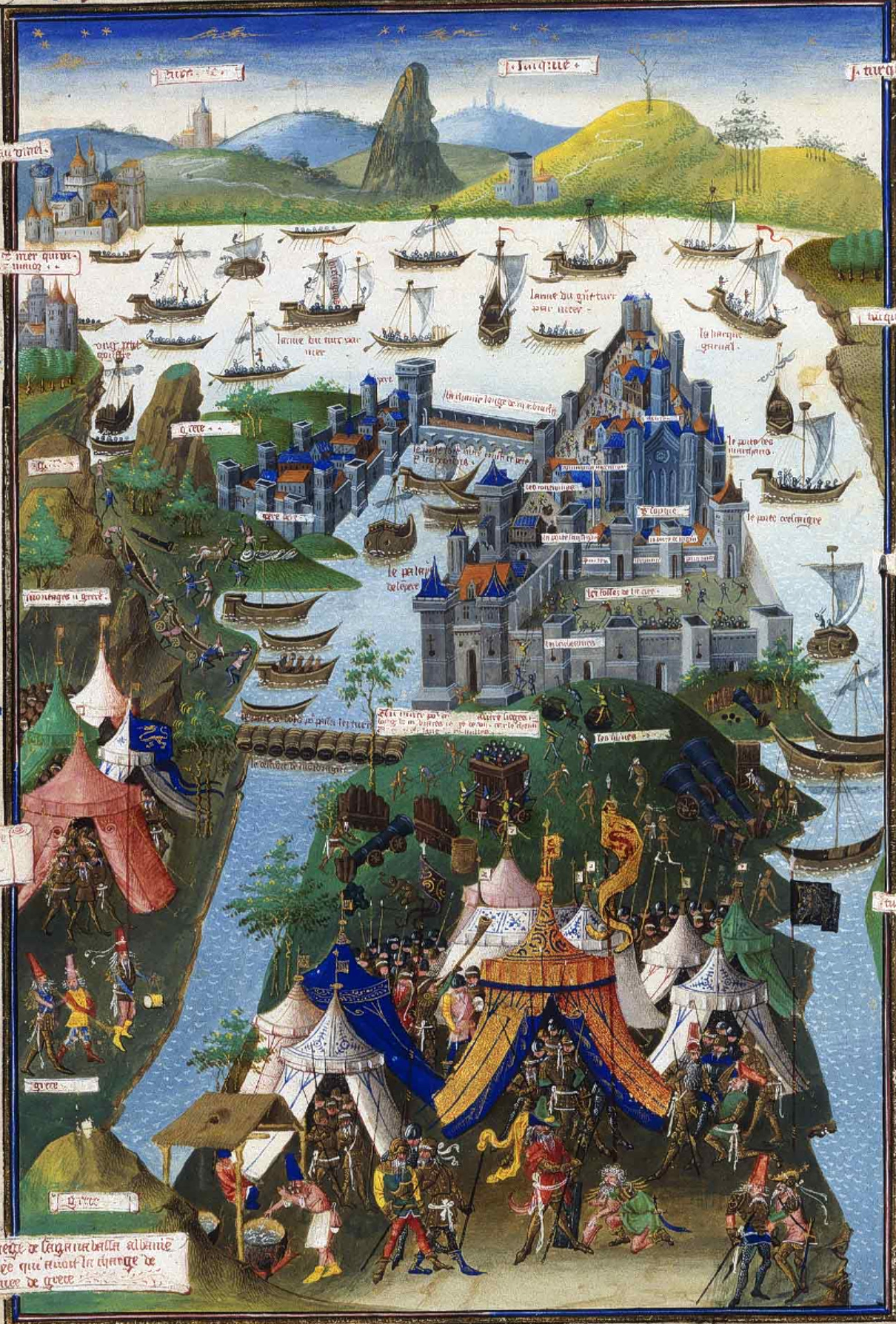
The strongest historical association dates back to the fall of Constantinople, the former capital of the Byzantine Empire, to Ottoman forces. According to Greek tradition, the city fell on a Tuesday, cementing the day’s reputation as ominous. Adding to the symbolism, the digits of the year of the conquest add up to 13, reinforcing the superstition surrounding the number itself.
Le siège de Constantinople (1453) by Jean Le Tavernier after 1455
Although some folklorists note that this explanation developed later, historical records suggest that people living closer to the time of the event already regarded the day as cursed. References to Tuesday as unlucky appear as early as the 12th century, underscoring how deeply rooted the belief became in collective memory.
Tuesday alone is considered unfavorable in both Greek and Spanish-speaking cultures, but when it coincides with the number 13, the day is seen as especially dangerous. In Greek tradition, many people avoid major life decisions on Tuesdays, such as getting engaged, starting a new job, or traveling.
Similar beliefs exist in Spanish-speaking countries, reflected in the saying, “On Tuesday, neither marry nor set sail,” expressing the fear that misfortune may follow important decisions made on that day.
The number 13 carries negative symbolism in many belief systems. It is seen as disrupting the harmony of the number 12, which appears repeatedly in religion and history—from the 12 Olympian gods and the 12 months of the year to the 12 disciples of Jesus.
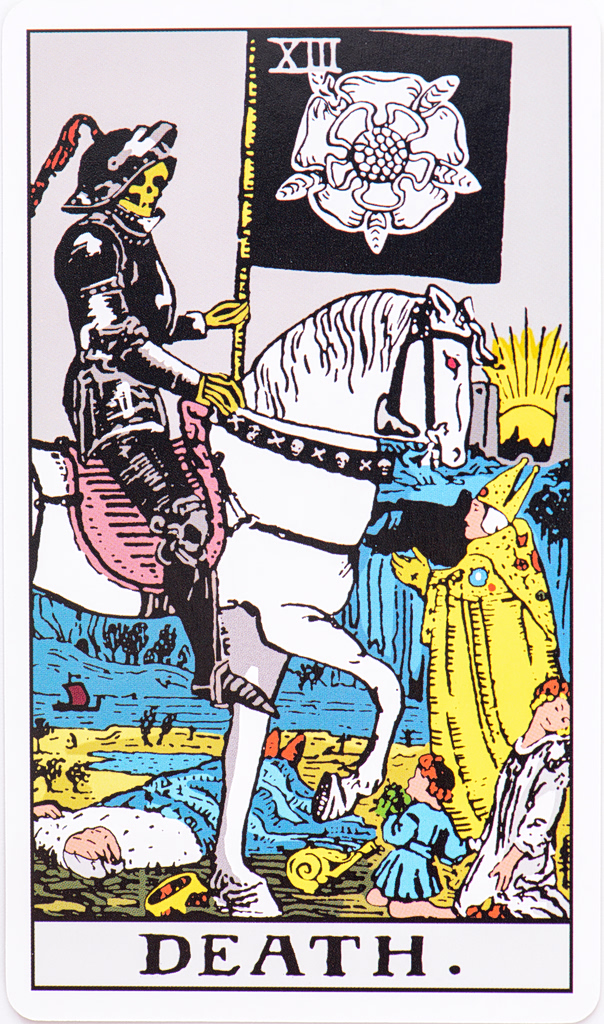
In Tarot cards, number 13 is associated with death and transformation.
In Christian tradition, the 13th chapter of the Book of Revelation refers to the Antichrist, while in tarot symbolism, the number 13 is associated with death and transformation, further reinforcing its ominous reputation.
Astrology also plays a role in the superstition. Tuesday is associated with the planet Mars, the ancient Greek god of war, symbolizing conflict and destruction. Folklore holds that at an unknown hour of the day, Mars aligns with Saturn, creating a period of heightened danger.
Because this moment cannot be precisely identified, tradition holds that the entire day is potentially risky.
One widely accepted explanation traces the fear of the number 13 back to Roman times. Ancient lunar calendars required the periodic addition of a 13th month to align with the solar year.
This extra month was considered unnatural and unsettling, particularly because it was added to February—a month already associated with death and purification. Although the practice was later abandoned, the negative perception of the number 13 persisted.
Ancient roman calendars required the periodic addition of a 13th month to align with the solar year.
The superstition gains extra weight when Tuesday the 13th falls in February during a leap year, which is traditionally considered unlucky in Greek folklore. Leap years have long been linked to misfortune, with customs discouraging major life decisions such as marriage or long-term commitments.
These beliefs are reflected in traditional folk songs that associate leap years with hardship and loss.
In contrast, most other cultures fear Friday the 13th, a belief that spread widely through English-speaking countries in the 19th century and later through religion, history, and popular culture.
For Greeks, however, Tuesday the 13th remains the date most closely associated with bad luck—a reminder that superstition is shaped by local history, culture, and collective memory rather than universal rules.
Η παράσταση «Η Ευτυχία της Αργιθέας» επιχειρεί να δώσει φωνή σε όσες ζωές έμειναν στο περιθώριο της Ιστορίας, χωρίς εξιδανίκευση και χωρίς διδακτισμό — μόνο με παρουσία.
Από την Πέμπτη 23 Απριλίου, το Δημοτικό Θέατρο Πειραιά κάνει μια βουτιά στον παλιό ελληνικό κινηματογράφο, με το έργο «Tζένη Τζένη - Ένα ηλιόλουστο Ρέκβιεμ»










![Άκρως Ζωδιακό: Τα Do’s και Don’ts στα ζώδια σήμερα [Πέμπτη 02.04.2026]](https://www.in.gr/wp-content/uploads/2026/04/zanyar-ibrahim-FjoVfeQCDSw-unsplash-315x220.jpg)















































































 Αριθμός Πιστοποίησης Μ.Η.Τ.232442