Greece Tourism Wages to Rise 12% in Two Years Under New Agreement
New sector-wide agreement introduces wage increases and broader coverage, impacting over 500,000 workers in Greece’s tourism and food services industries
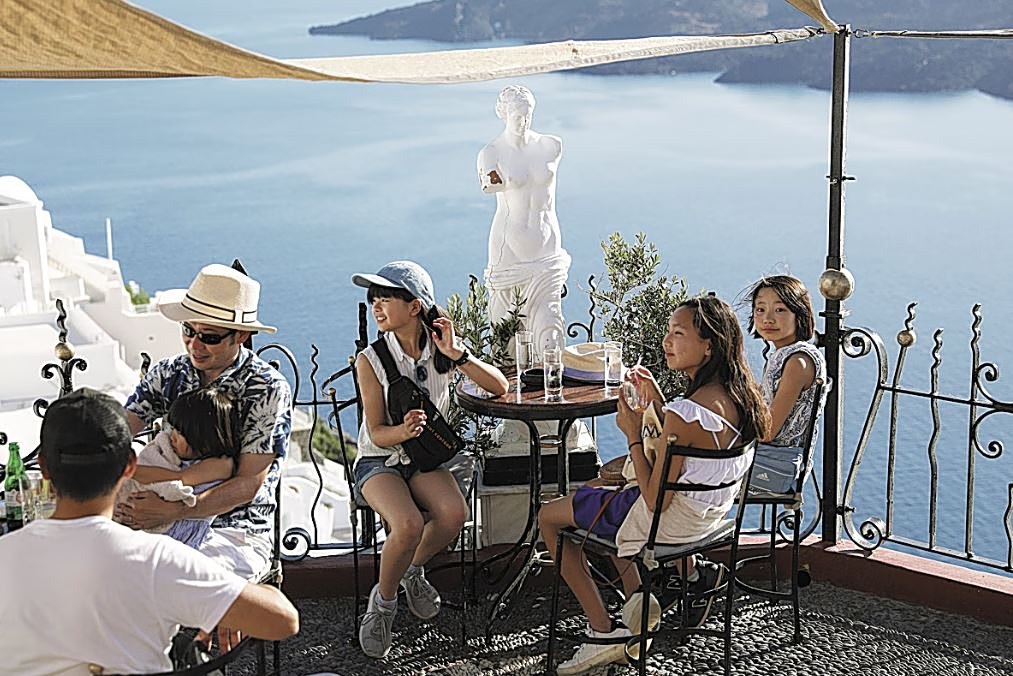
Wages in Greece’s tourism and food services sector are set to rise again under a new two-year collective labor agreement that will be finalized today, marking a significant development for one of the country’s largest employment sectors.
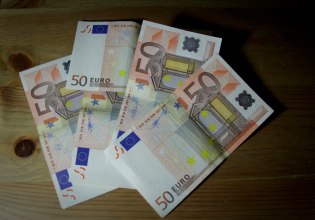
The deal introduces pay increases of 8% + 4% for this and the following year, alongside a minimum sector wage of €950, rising to €988 by 2027. The agreement was reached with the support of the Greek General Confederation of Labor (GSEE) and employer organizations.
A Major Sector-Wide Impact
The agreement applies to more than 500,000 workers across hotels, restaurants, tavernas, bars and cafes — a substantial portion of Greece’s labor market, especially critical in a country where tourism plays a central economic role.
Base salaries will vary depending on job classification but are expected to range between €950 and €1,000 gross per month for entry-level hotel positions, before additional benefits and allowances are applied.
These include seniority bonuses, as well as pay increases for work on Sundays and public holidays. Employees working on those days are entitled to a 75% wage premium. The agreement also maintains traditional benefits such as Christmas and Easter bonuses and paid leave allowances.
New Legal Framework Expands Coverage
This is the second sectoral agreement signed under Greece’s new legal framework for collective labor contracts, introduced following a recent social agreement between employers and workers.
The updated system allows GSEE to co-sign agreements, facilitating their extension across entire sectors. Crucially, the threshold for extending agreements has been lowered: employers representing 40% of a sector’s workforce can now trigger broader applicability, down from the previous 50%.
Under the old rules, many agreements could not be extended because employer participation fell short of the required threshold, limiting their impact.
Momentum Builds Across Industries
The tourism agreement follows the first deal signed under the new framework, covering Greece’s confectionery industry. That three-year agreement (2026–2028) applies to around 2,000 businesses and 23,000 workers, with cumulative wage increases expected to exceed 20%.
Labor officials see these developments as a turning point in restoring sectoral collective bargaining in Greece’s private sector, after years of limited coverage.
What Comes Next
More agreements are expected to follow. Authorities anticipate that up to 15 sectors with active but not yet universally applied contracts could soon see broader implementation.
Under the previous system, collective agreements could only be extended to an entire sector if the employers who signed them represented at least 50% of the workforce. In practice, this threshold was rarely met, as many employer organizations stayed out of negotiations.
The new legal framework lowers that requirement to 40% and allows agreements to be co-signed by the Greek General Confederation of Labor (GSEE) and employer organizations. This makes it easier for agreements to become binding across an entire sector.
For workers, this could mean wider access to wage protections and standardized benefits across industries that have long operated without comprehensive collective agreements.
More agreements are expected to follow. Authorities anticipate that up to 15 sectors with active but not yet universally applied contracts could soon see broader implementation.
The improved legal framework — including a lower threshold for extending agreements across an entire sector and the option for joint signatures by unions and employer organizations — is expected to accelerate this process.
For workers, this could mean wide r access to wage protections and standardized benefits across industries that have long operated without comprehensive collective agreements.







![Άκρως Ζωδιακό: Τα Do’s και Don’ts στα ζώδια σήμερα [Τρίτη 17.03.2026]](https://www.in.gr/wp-content/uploads/2026/03/randy-kinne-P7nRBkxx_mg-unsplash-1-315x220.jpg)








































































 Αριθμός Πιστοποίησης Μ.Η.Τ.232442