Special Committee Probes Greek Airspace Blackout After Chaos
Authorities launch parallel technical and judicial investigations after a 40-minute collapse of air traffic control disrupted flights, stranded passengers, and exposed concerns over aging infrastructure
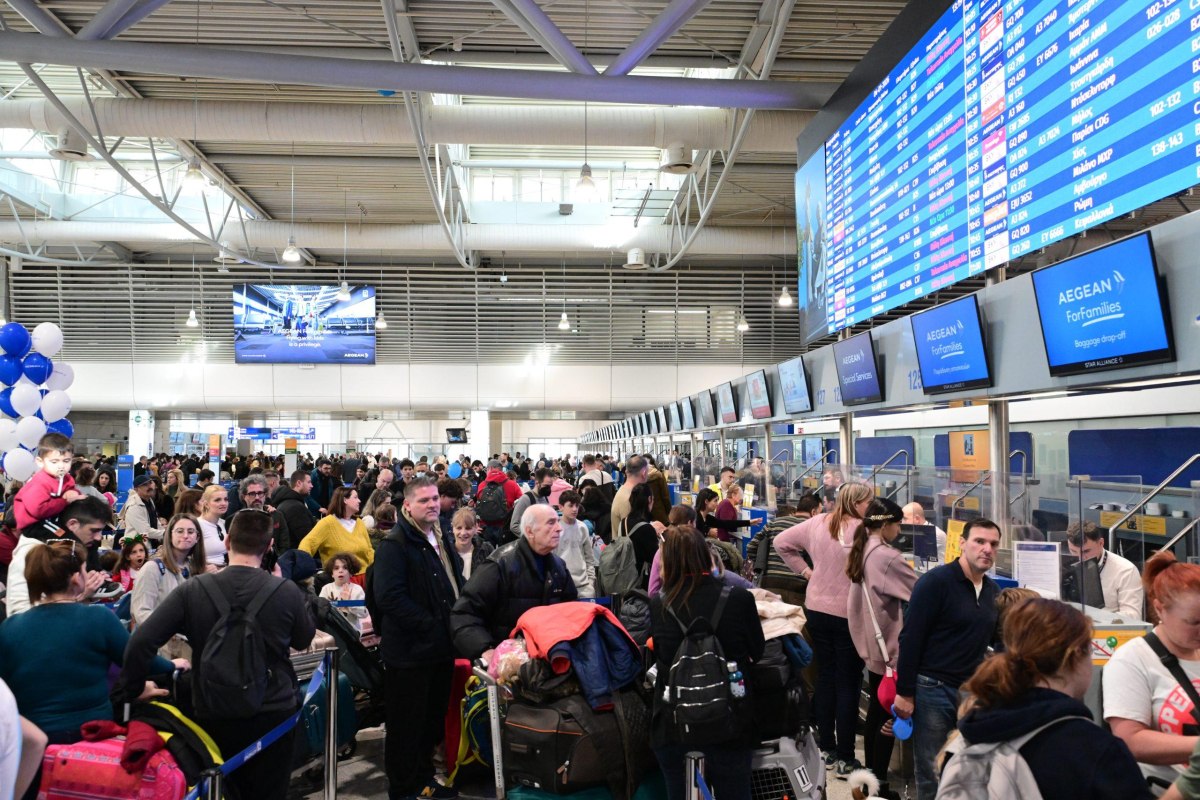
Greek authorities have formed a special committee to investigate Sunday’s major blackout in Greek airspace after a partial collapse of the air traffic control system caused widespread disruption to flights and affected thousands of passengers.
The incident occurred early Sunday morning, when the air traffic control system covering the Athens Flight Information Region went offline for about 40 minutes. Communications froze, aircraft were grounded at airports, flights were canceled, and radio frequencies filled with radar noise instead of instructions, according to air traffic controllers.
During the outage, the backup system failed to activate, while telephone and electronic communication channels were also knocked out, leaving controllers unable to manage air traffic. The breakdown triggered significant delays that continued well after operations resumed.
Initial statements from the Civil Aviation Authority referred to “massive interference” affecting frequencies. That explanation later shifted to a technical failure, though officials have yet to provide a clear account of what caused the blackout.
The incident prompted immediate action from prosecutors, who ordered an investigation into whether crimes related to dangerous interference in air transport may have been committed and to determine the source of the disruptions. At the same time, the Ministry of Transport announced the creation of a special committee tasked with identifying the exact causes of the failure.
Air traffic controllers have publicly demanded answers. Olga Toki, vice president of the national air traffic controllers’ association, said staff remain in the dark about what went wrong and how similar incidents will be prevented in the future. She stressed that understanding the cause is critical for improving safety and restoring confidence in the system.
Experts and controllers have also pointed to long-standing warnings about outdated and insufficient infrastructure. Aerospace engineer Faidon Karaiosefidis said the age of the equipment is a known issue, arguing that the way the crisis was handled may have worsened its impact. Controllers, he noted, continue to work with obsolete systems while trying to ensure safety.
Passenger disruption remains significant. Airlines reported that at least 2,000 pieces of luggage were misplaced during the chaos, though carriers say efforts are under way to return them to their owners as quickly as possible.
Findings from both the special committee and the judicial investigation are expected to determine responsibility and shape future measures to prevent another airspace blackout.
Η παράσταση «Η Ευτυχία της Αργιθέας» επιχειρεί να δώσει φωνή σε όσες ζωές έμειναν στο περιθώριο της Ιστορίας, χωρίς εξιδανίκευση και χωρίς διδακτισμό — μόνο με παρουσία.
Από την Πέμπτη 23 Απριλίου, το Δημοτικό Θέατρο Πειραιά κάνει μια βουτιά στον παλιό ελληνικό κινηματογράφο, με το έργο «Tζένη Τζένη - Ένα ηλιόλουστο Ρέκβιεμ»







![Άκρως Ζωδιακό: Τα Do’s και Don’ts στα ζώδια σήμερα [Πέμπτη 02.04.2026]](https://www.in.gr/wp-content/uploads/2026/04/zanyar-ibrahim-FjoVfeQCDSw-unsplash-315x220.jpg)

































































 Αριθμός Πιστοποίησης Μ.Η.Τ.232442
