Greek Inflation Slows for Third Straight Month in October
Fresh data show Greece’s inflation rate easing to 1.6% in October, driven by lower increases in energy and services, though average inflation for 2025 remains above the eurozone
Inflation in Greece continued its downward trend for a third consecutive month in October, according to official figures from the national statistics authority, highlighted in Eurobank’s latest economic bulletin. The data confirms a clear slowdown in price growth, though not an actual decline in overall price levels.
Greece’s annual harmonised inflation rate reached 1.6% in October, compared with 2.1% in the eurozone. This placed the country among those with the lowest inflation in the currency bloc. Estonia recorded the highest rate at 4.5%, followed by Latvia and Croatia.
Despite the easing trend, Greece’s average inflation from January to October stood at 2.9%, higher than the eurozone average of 2.1%. Analysts attribute this discrepancy to persistently elevated prices in services earlier in the year. According to the draft 2026 state budget, Greece’s average inflation is forecast at 3% for 2025 and 2.2% for 2026.
A key factor behind the recent slowdown was the sharp deceleration in price increases within hospitality services and the housing and energy sector. Inflation in hotels, cafés and restaurants dropped to 1.4% in October from 6.4% in July, while the housing and utilities category—including electricity, gas and other fuels—fell to 2.4% from 8.1%. Clothing, footwear, food and non-alcoholic beverages also contributed to the easing, though to a lesser extent.
Core inflation, which excludes energy, food, alcohol and tobacco, decreased significantly to 1.9% in October from 4.3% in July, indicating broader moderation across the economy.
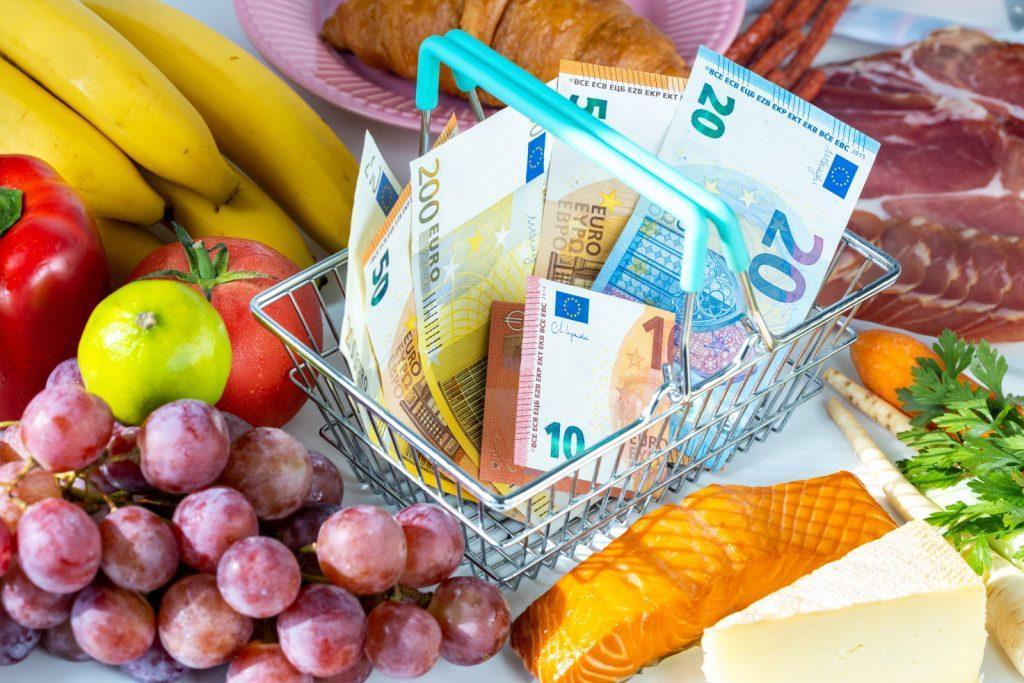
Over the past six years—which included the pandemic, the energy crisis and recurring geopolitical shocks—food and non-alcoholic beverage prices have risen cumulatively by 35.3%, outpacing most other categories. Analysts note that such increases disproportionately affect lower-income households, where food accounts for a larger share of expenses. They warn that climate-related disruptions and geopolitical tensions could continue to cause volatility in food production costs and consumer prices.
While Greece now ranks among the lowest-inflation countries in the eurozone, economists emphasise that the easing reflects slower price growth rather than falling prices—meaning households are still facing elevated cost levels built up over recent years.
Ο Γιάννης Καλαβριανός περιγράφει τις ταραγμένες ημέρες της ζωής των πέντε ηρώων, που θα άλλαζαν μια για πάντα την ιστορία της παγκόσμιας λογοτεχνίας τρόμου.
Σύνταξη
WIDGET ΡΟΗΣ ΕΙΔΗΣΕΩΝΗ ροή ειδήσεων του in.gr στο site σας








![Άκρως Ζωδιακό: Τα Do’s και Don’ts στα ζώδια σήμερα [Δευτέρα 23.03.2026]](https://www.in.gr/wp-content/uploads/2026/03/jocke-wulcan-N_9yLWF3ikU-unsplash-1-315x220.jpg)












































































 Αριθμός Πιστοποίησης Μ.Η.Τ.232442