Telephone scams remain the most common form of fraud, with organized networks posing as relatives, doctors, utility employees, accountants, bankers, or even police officers.
Fraud in Greece is no longer a rare or isolated crime. By 2025, it has evolved into an organized and daily occurrence. Digital technology, economic pressure, and often a lack of awareness among citizens have created the perfect breeding ground for scammers.
According to police data, between Jan. 2024 and Aug. 2025, authorities recorded 5,117 cases of fraud nationwide — 2,418 of which involved electronic means or computers. This represents an increase of nearly 40% compared to the previous year, confirming that perpetrators exploit every possible channel, from phone calls to the Internet.
From Fake Calls to Online Traps
Telephone scams remain the most common form of fraud. Organized networks pose as relatives, doctors, utility employees, accountants, bankers, or even police officers. Using pretexts like car accidents, unpaid bills, or “meter issues,” they mainly target the elderly, persuading them to give money or personal data. A fast-growing variant is the “power supply number” scam, where callers use an electricity code to lure victims to fake payment sites.
Equally prevalent are fake online sales, rental listings, and investment schemes promising quick profit. Beneath their polished front lies the same trick: false trust. In an era of one-tap transactions, fraud flourishes in the gap between haste and caution.
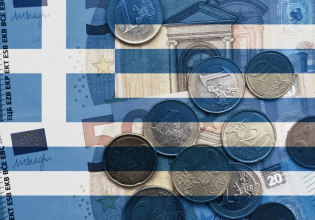
The Bank of Greece reports 398,723 cases of card fraud in 2024, totaling 22.6 million euros in losses. ATM-related fraud rose slightly in number but surged 22% in value, while fraud via POS terminals dropped by 35%.
Awareness as the Best Defense
The Greek Police now emphasize creative public education, like the witty “Adultery? Me? Never!” campaign featuring a real woman who fooled a scammer. The message is simple: prevention starts with awareness. Fraud isn’t just a crime — it’s a test of social alertness.
While authorities can act, citizens remain the first line of defense by staying vigilant, verifying messages, and guiding older generations. In the digital age, the sharpest tool is human awareness.
Καθώς βρισκόμαστε μια ανάσα από το Πάσχα, δεν προκαλεί καμία εντύπωση ότι μόνο δύο νέες ταινίες έκαναν την εμφάνισή τους στις σκοτεινές αίθουσες αυτή την εβδομάδα









![Άκρως Ζωδιακό: Τα Do’s και Don’ts στα ζώδια σήμερα [Δευτέρα 13.04.2026]](https://www.in.gr/wp-content/uploads/2026/04/e-KAyytNKVoqo-unsplash-315x220.jpg)



















































































 Αριθμός Πιστοποίησης Μ.Η.Τ.232442