Greek Authorities Issue Safety Tips After Spike in ‘Phishing’ Scams
According to the Ministry’s announcement, unsuspecting citizens were being urged to visit a specific website to check for their so-called “unclaimed benefits”
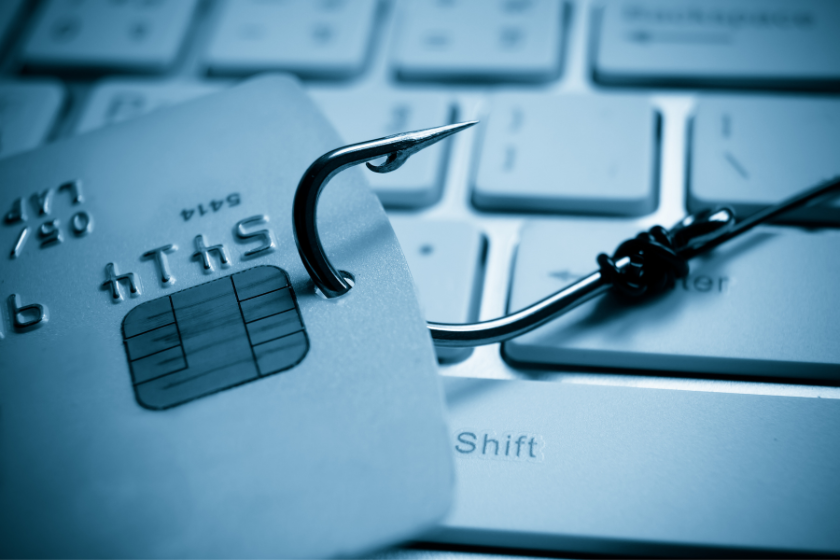
Phishing in Greece is an ever-present and concerning problem, prompting Greek authorities to issue a set of security measures for protection against scammers after a recent spike in the number of online scammers targeting unsuspected citizens was observed.
A large number of Greeks received fraudulent messages purporting to come from the government portal gov.gr, causing the Ministry of Digital Governance to issue guidelines on avoiding scams.
According to the Ministry’s announcement, unsuspecting citizens were being urged to visit a specific website to check for their so-called “unclaimed benefits.”
The Ministry reported a rise in phishing emails (the practice of sending fraudulent communications that appear to come from a legitimate and reputable source, usually through email and text messaging).
The National Cybersecurity Authority of the Ministry of Digital Governance has shared useful guidelines for enhancing user security and privacy.
Some practical tips for avoiding phishing attacks include:
Avoid, at all costs, sharing personal details (e.g., TaxisNet, e-Banking codes, card numbers/PINs, passwords) with purported intermediaries, law firms, accountants, etc.
Only access trustworthy websites of institutions, organizations, or banks via their official sites or mobile applications.
If you receive a suspicious email, confirm its legitimacy by contacting your colleagues or the sender before taking any action.
Check the sender’s address carefully, as phishing emails often come from addresses unrelated to the claimed sender.
Review the type of information being requested. Even if a message appears genuine, reputable institutions or banks are unlikely to request personal, banking, or sensitive information by email.
Be wary of messages that create a sense of urgency, as scammers often use pressure tactics.
Approach refund or subsidy-related messages with caution.







![Άκρως Ζωδιακό: Τα Do’s και Don’ts στα ζώδια σήμερα [Τρίτη 24.03.2026]](https://www.in.gr/wp-content/uploads/2026/03/agustin-fernandez-6U97YfljDK4-unsplash-315x220.jpg)

















































































 Αριθμός Πιστοποίησης Μ.Η.Τ.232442