Authorities consider restrictions on animal movement as sheep pox spreads, with farmers warning of devastating economic consequences and calling for vaccination instead of mass culling
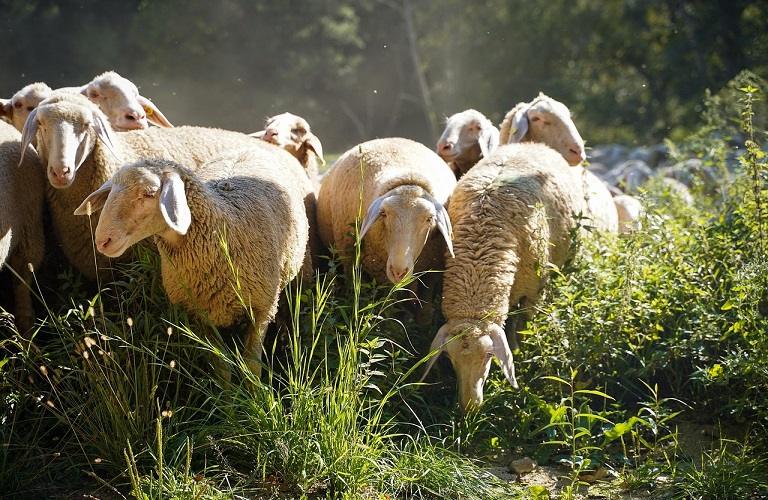
Sheep farmers in Greece are sounding the alarm as sheep pox continues to spread rapidly, with veterinary authorities weighing the possibility of “lockdown” measures to contain the outbreak.
Officials at the Ministry of Rural Development and Food are assessing developments in the coming days before deciding on further restrictions, which could include halting the movement of animals and related products. Farmers warn that such a move would deepen their financial struggles, with severe consequences for local economies and the wider food supply chain.
Farmers Face Devastating Losses
Sheep pox, while not a threat to human health, has already led to mass culling and significant losses in meat and milk production. Veterinary services estimate that more than 275,000 animals have been slaughtered so far, with farmers placing the number closer to 300,000—roughly 10% of the national sheep and goat population.
The hardest-hit regions include Larissa, Achaia, Magnesia and Trikala, while Epirus, Crete and Western Macedonia remain largely unaffected. In Thessaly, a key livestock region known for exports of dairy products such as feta, more than 145,000 animals have already been culled after successive outbreaks over the past two years.
Farmers’ associations are demanding an immediate halt to culling and the rollout of vaccinations, which they argue is the only sustainable solution. They have also asked the ministry to clarify how vaccination might affect the trade of dairy products.
Government Action Plan
Since September 22, a 10-day action plan has been in place across Greece. Measures include intensified field inspections by ministry veterinarians, disinfection checkpoints on key roads, and stricter biosecurity protocols for animal transport vehicles, milk, and feed.
Veterinary teams remain on alert for new outbreaks and are prepared to order further mass culls if deemed necessary.
Agriculture Minister Kostas Tsiaras, after meeting with EU Commissioner Oliver Varhelyi, stressed the importance of “science-based decisions, stronger monitoring, prevention, and rapid response to livestock diseases.” However, he reiterated that vaccination is not currently considered an appropriate solution, with the government focusing instead on prevention and production safeguards.
For many farmers, however, the looming possibility of a lockdown represents more than economic strain—it threatens the survival of entire rural communities built on livestock production.
Καθώς βρισκόμαστε μια ανάσα από το Πάσχα, δεν προκαλεί καμία εντύπωση ότι μόνο δύο νέες ταινίες έκαναν την εμφάνισή τους στις σκοτεινές αίθουσες αυτή την εβδομάδα








![Άκρως Ζωδιακό: Τα Do’s και Don’ts στα ζώδια σήμερα [Δευτέρα 13.04.2026]](https://www.in.gr/wp-content/uploads/2026/04/e-KAyytNKVoqo-unsplash-315x220.jpg)

















































































 Αριθμός Πιστοποίησης Μ.Η.Τ.232442