


Source: tovima.com
Greek Households Shoulder Heavy Health Costs, OECD Report Says
Greek patients face some of the highest out-of-pocket costs and unmet medical needs in the OECD, underscoring persistent gaps in access, funding, and low confidence in the health system
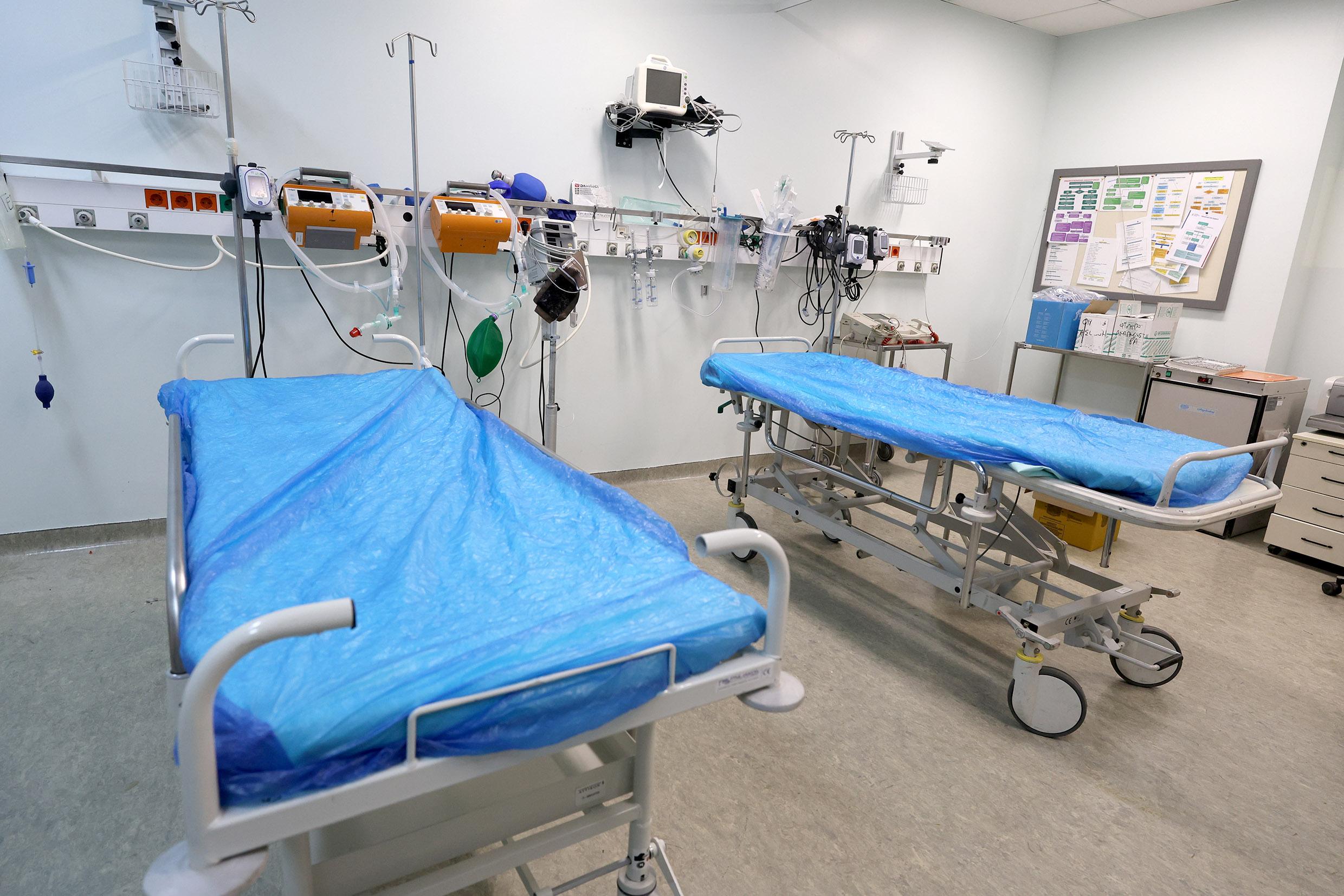
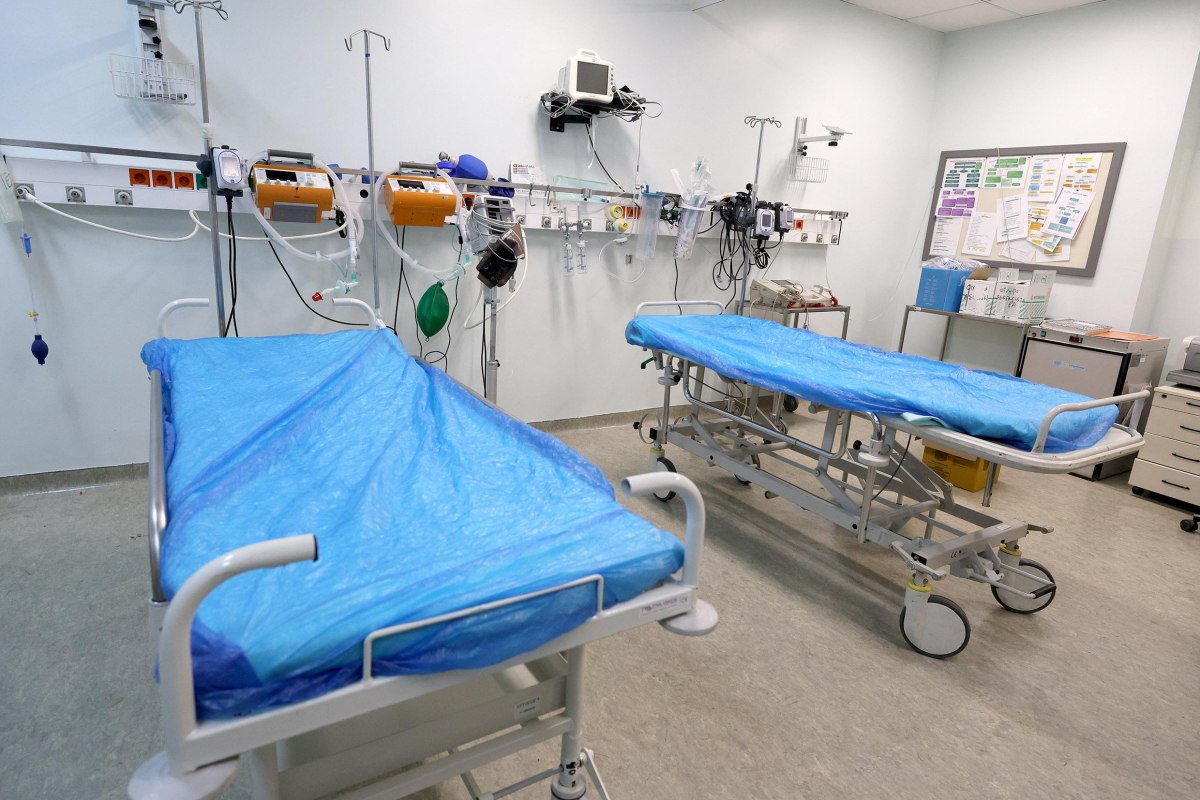
The new OECD “Health at a Glance 2025” report offers a stark look at the pressures facing Greece’s healthcare system, where public coverage remains limited and households continue to pay a markedly high share of medical fees. Nearly 39% of all health spending is paid directly out of pocket, far above the OECD average of 25%, and among the highest levels across member states.
Although Greece operates a public health system, many patients turn to private providers to avoid long waits or patchy availability, making personal payments a defining feature of how care is accessed.
A System Still Geared Toward Hospitals
According to the OECD, Greece continues to concentrate its health spending on treating illness rather than preventing it. The country devotes 10% of total government expenditure to health — about half of what countries like Germany and Ireland invest.
Nearly 43% of that public health budget goes to hospitals, while outpatient care receives only around one-fifth. Long-term care remains severely underfunded at 2%, despite rising demographic needs.
Prevention is an exception to the pattern. Greece now spends 3.1% of its health budget on preventive programs, up from 2% just a few years earlier and approaching the OECD average of 3.4%. Even so, the report notes that the overall structure remains hospital-centered.
Why Greeks Pay Privately
The OECD outlines how Greeks rely on private spending to fill gaps in the public system. Out-of-pocket payments mainly go toward:
Medicines and medical goods: 38%
Outpatient services such as diagnostic tests: 17%
Dental care: 11%
Cost is the most common reason for postponing or skipping treatment, followed by long waits for public appointments. Many people choose to pay privately to secure timely care.
Unmet Needs Are the Highest in the OECD
In 2024, 12.1% of Greeks said they had delayed or gone without needed medical care — the highest share among the 28 OECD countries with comparable data. The OECD average stands at 3.4%.
The burden is heaviest on lower-income households: more than one in six people in the lowest income group reported unmet medical needs, making Greece one of the countries with the steepest income-related disparities. Dental care shows an even wider gap, with over 15% of low-income Greeks unable to access needed treatment.
Low Satisfaction and Fragile Trust
Only 27% of Greeks say they are satisfied with the availability of quality health services where they live. Across the OECD, the average satisfaction rate is 64%, with much higher levels in Switzerland, Belgium, Denmark, and Luxembourg.
Trust in healthcare professionals also lags. Just 57% of Greek patients with chronic conditions said they trusted the last provider they visited — the lowest share reported.
Other Notable Findings From the OECD Report
High Antibiotic Use: Greece is among the highest prescribers of antibiotics, alongside Korea. While usage has declined slightly over time, it remains well above many other OECD countries and contributes to antimicrobial resistance.
Low Breast Cancer Screening Rates: Mammography screening remains limited. Fewer than 25% of women aged 50 to 69 receive recommended screenings — among the lowest rates in the OECD. Countries such as Denmark, Sweden, Finland, and the United States reach screening rates above 80%.
Limited Public Coverage: Across OECD countries, governments or compulsory insurance cover about 75% of healthcare costs. In Greece, public coverage is closer to 60%, placing it among the lowest.
High Reliance on Inpatient Care: Roughly 40% of Greece’s total health spending goes to inpatient services, well above the OECD average of 28%. This imbalance reinforces the system’s reliance on hospitals.
Public Spending Expected to Decline: By 2045, most OECD countries are projected to increase public health spending as a share of GDP. Greece is one of the few expected to see a slight decrease.
Headlines:
- Κόντρα Ανδρουλάκη – Μητσοτάκη για την ακρίβεια στη Βουλή – «Θα λάβει μέτρα ή θα συνεχίσει να «λυπάται και να θυμώνει»;»
- Ελάτε να μου μιλήσετε, δεν δαγκώνω: Ο Μπιλ Γουόρντ των Black Sabbath μιλά για τις μέρες του σε αναπηρικό αμαξίδιο
- Θεσσαλονίκη: Πτήση προς Σαράγεβο επέστρεψε στο αεροδρόμιο «Μακεδονία» λόγω επιθετικού επιβάτη
- «Τον βάλαμε σε τζετ και κάναμε κύκλους για να μην μας δουν» – Πώς η Λίβερπουλ του Κλοπ πήγε να πάρει τον Εμπαπέ
- Hurriyet: Πουλήθηκαν οι S-400 σε άλλη χώρα του Κόλπου – Εντός της ημέρας οι ανακοινώσεις
- BBC: «Στην Άρσεναλ με 40 εκατ. ευρώ ο Τζόλης»
- Η διατροφή που κρατά το κουνέλι σας υγιές, δραστήριο και χαρούμενο
- Οι 10 καλύτερες πόλεις για να ζεις το 2026 – Ποιοι κυριαρχούν, ποιοι υποχωρούν και πού βρίσκεται η Αθήνα
Δείτε όλες τις Τελευταίες Ειδήσεις από την Ελλάδα και τον Κόσμο, στο in.gr

Ακολουθήστε το in.gr στο Google News και μάθετε πρώτοι όλες τις ειδήσεις
![Άκρως Ζωδιακό: Τα Do’s και Don’ts στα ζώδια σήμερα [Παρασκευή 10.07.2026]](https://www.in.gr/wp-content/uploads/2026/07/mindaugas-vitkus-ju-dVR1jkmE-unsplash-315x220.jpg)