Editorial To Vima: Public health measures needed, but which measures?
According to the proponents of the hard line if current measures prove inadequate there is a greater likelihood of a derailment of the situation with a higher chance of a general lockdown





From the moment that the COVID-19 pandemic arose the great challenge has been to strike a delicate balance between the protection of public health and the unhindered continuation of economic and social life.
For nearly a year the objective of governments globally has been to find a strategy with an ideal policy mixture that can solve that equation and minimise losses.
Despite the rapid worsening of epidemiological conditions in our country and throughout Europe, judging by its most recent measures the Greek government in the current second wave of the pandemic has remained steadfast in implementing a more mild, gradual, and conservative strategy in handling the pandemic.
It appears to be pursuing the smallest possible disruption of economic activity despite the four-digit number of COVID-19 cases daily.
The crucial question which can be answered only from the results is whether this strategy is prudent or whether in the long run it will lead to the opposite of the desired objective.
How can this happen? According to the proponents of the hard line if current measures prove inadequate there is a greater likelihood of a derailment of the situation with a higher chance of a general lockdown with disastrous repercussions on the economy.
At this point it is necessary to clarify how one defines the term “strict measures” and which measures we believe will harm the economy.
The mandatory, generalised use of masks both indoors and outdoors regardless of the intensity of the epidemic in a particular region could prove effective without harming the economy and so it can be enforced nationwide in order to prevent a deterioration of the epidemiological situation.
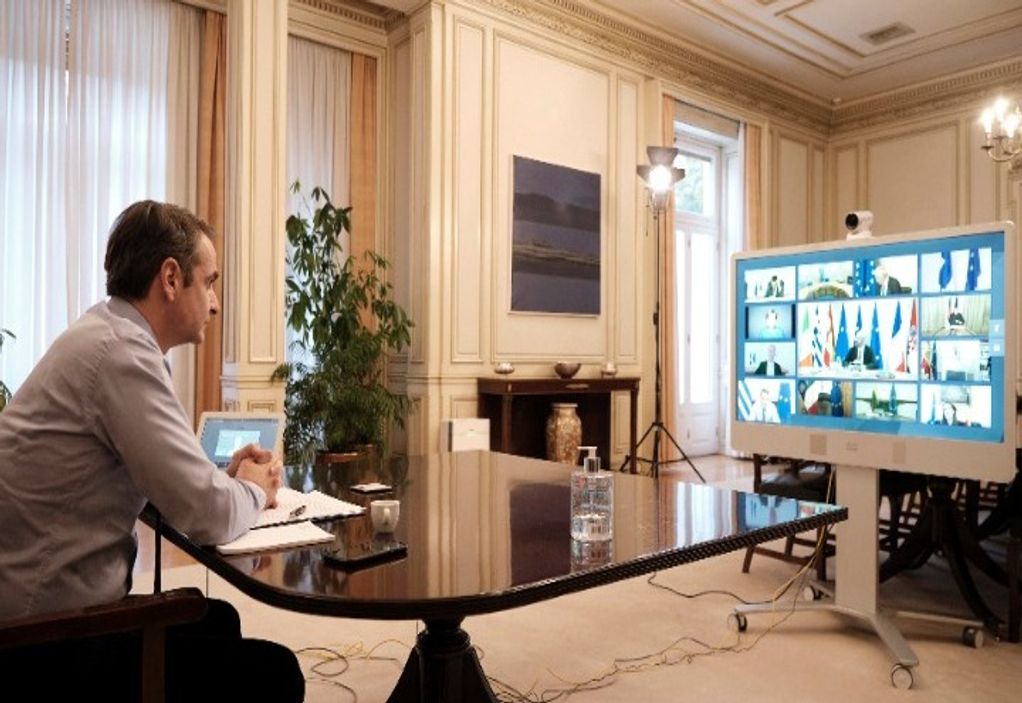
“Masks are the vaccine before the vaccine,” Prime Minister Kyriakos Mitsotakis declared.
If that is the case, why not vaccinate the entire population?
Implementing that measure along with other initiatives that will not harm the economy – such as the expansion of telework, stiffer fines for violations of public health measures, and the reduction of crowding in mass transit – will serve to protect the economy and reduce the chances of a general lockdown.
- Υπό την πίεση του Τραμπ, η Παγκόσμια Τράπεζα εγκαταλείπει τα μέτρα για το κλίμα
- Δίκη για τα Τέμπη: «Δεν χρειαζόταν οι τοποθετήσεις της εισαγγελέως για τη Hellenic Train», είπε ο Ψαρόπουλος
- Κατάταξη του Δήμου Σουφλίου στους ορεινούς Δήμους
- Π. Μαρινάκης για γκαζάκια σε σπίτια στελεχών της ΝΔ: Κάποιοι ήθελαν να τους σκοτώσουν για τις ιδέες τους
- O Μπερνάρντο Σίλβα αποθέωσε τον Μόντριτς: «Είναι το ποδοσφαιρικό μου είδωλο»
- ΕΛΑΣ για Πετράλωνα και Ωραιόκαστρο: Η ανθεκτικότητα μιας χώρας δεν οικοδομείται μόνο με την αποτελεσματική επιχειρησιακή απόκριση
- Η Ουκρανία ζητά 6,6 δισ. ευρώ από το ταμείο «ειρήνης» της ΕΕ για στρατιωτική βοήθεια
- Μάρω Κοντού: Πήρε εξιτήριο από το νοσοκομείο «Αττικόν» – Η κατάσταση της υγείας της

Ακολουθήστε το in.gr στο Google News και μάθετε πρώτοι όλες τις ειδήσεις
![Άκρως Ζωδιακό: Τα Do’s και Don’ts στα ζώδια σήμερα [Τετάρτη 01.07.2026]](https://www.in.gr/wp-content/uploads/2026/06/yong-chuan-tan-FPm5MGSqD3w-unsplash-1-315x220.jpg)