Greece’s Minimum Wage Debate: High Ratios, Complex Trade-Offs
In purchasing power terms, Greece’s minimum wage ranks 13th across the bloc—highlighting that the issue is not merely the nominal level, but how wages are distributed across the economy.
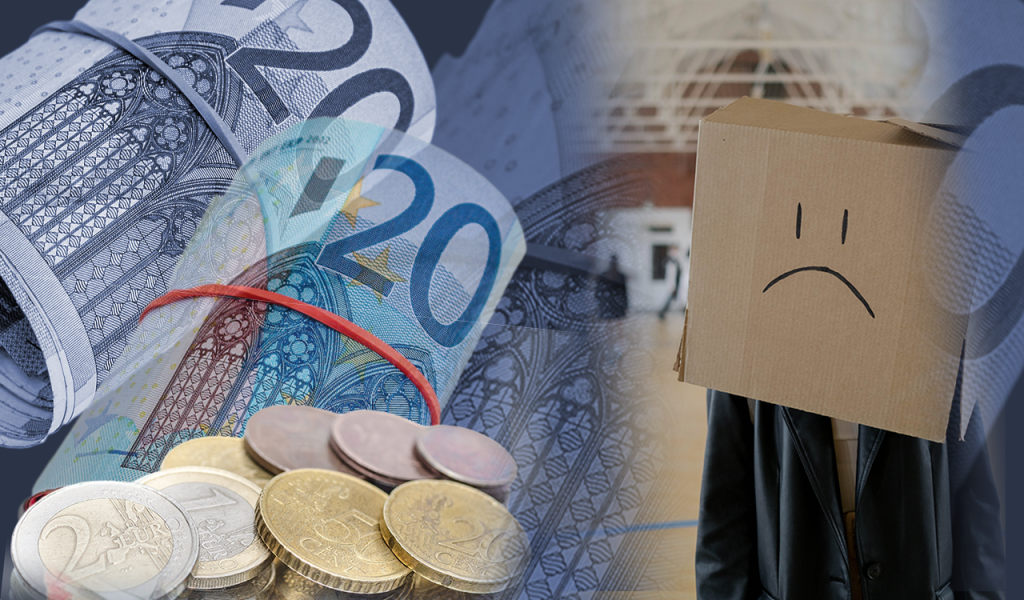
Greece records the highest ratio of minimum to average wages in the European Union, according to a new policy brief by the Centre for Liberal Studies (KEFiM), titled “Minimum Wage: A Review of the Relevant Literature and Policies in Greece and the EU.” The finding places the country at the center of an increasingly nuanced debate over wage policy and its broader economic effects.
The report underscores that the minimum wage directly shapes the incomes of thousands of workers, closely tied to the living standards of low-paid employees and their households. Yet its impact extends well beyond paychecks, influencing employment levels, productivity, competitiveness, and the pace of job creation.
Greece stands out as a special case. Even before the latest increase announced on March 26, the country already had the EU’s highest minimum-to-average wage ratio, at 63%. In purchasing power terms, however, its minimum wage ranks 13th across the bloc—highlighting that the issue is not merely the nominal level, but how wages are distributed across the economy.
The study stresses that the real effect of any wage increase depends on a broader set of factors, including taxation, social security contributions, inflation, and productivity. It also calls for a more evidence-based public discussion, noting that international research does not yield a single, definitive conclusion. Instead, findings vary by country, time period, and methodology.
The study stresses that the real effect of any wage increase depends on a broader set of factors, including taxation, social security contributions, inflation, and productivity. It also calls for a more evidence-based public discussion, noting that international research does not yield a single, definitive conclusion. Instead, findings vary by country, time period, and methodology.
Tο Release Athens 2026 συνεχίζει ακάθεκτο το πρόγραμμά του, υποδεχόμενο μέσα στην εβδομάδα μερικά από τα σημαντικότερα ονόματα της διεθνούς και εγχώριας μουσικής σκηνής.










![Άκρως Ζωδιακό: Τα Do’s και Don’ts στα ζώδια σήμερα [Τρίτη 30.06.2026]](https://www.in.gr/wp-content/uploads/2026/06/kylo-l6DvkaulgwQ-unsplash-315x220.jpg)




































![Η Ουκρανία χτύπησε αμυντική βιομηχανία στη Ρωσία με δύο πυραύλους κρουζ – Η στιγμή των εκρήξεων [βίντεο]](https://www.in.gr/wp-content/uploads/2026/06/FP-5-315x220.jpg)