Greece Growth Faces Risks from War, Energy Crisis
Bank of Greece governor warns that ongoing geopolitical tensions and rising energy uncertainty could fuel inflation and slow economic growth, despite the country’s continued recovery and strong recent performance
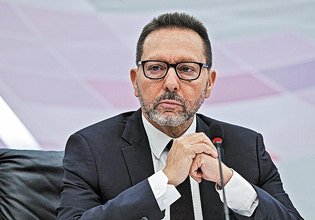
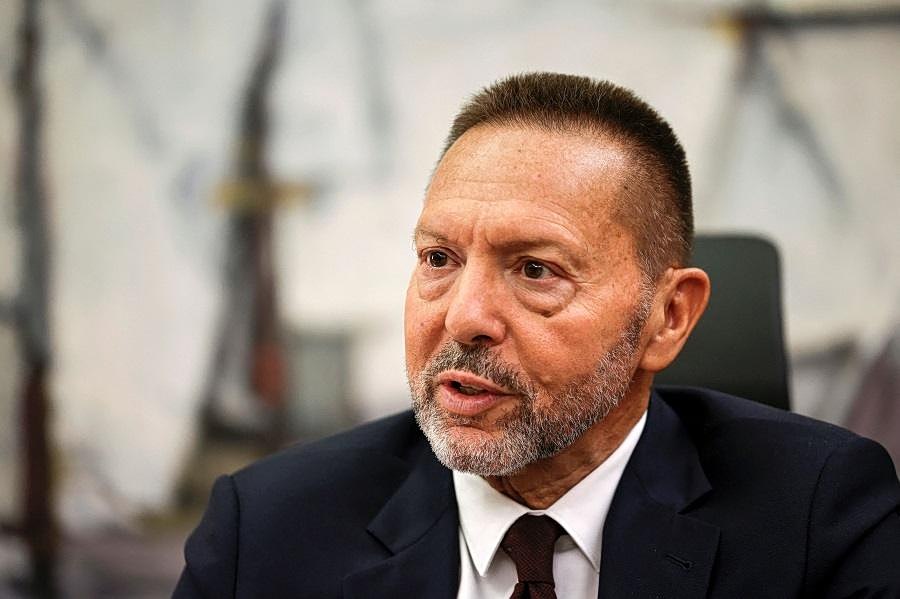
Greece’s economic recovery remains on track, but mounting global risks—particularly geopolitical instability and energy uncertainty—could threaten its growth outlook, according to Yannis Stournaras, governor of the Bank of Greece.
Speaking at an event in Frankfurt, Stournaras highlighted the country’s progress since its debt crisis, noting that sustained fiscal discipline, financial restructuring, and structural reforms have helped restore economic credibility and lay the foundation for long-term growth. However, he warned that external shocks could quickly undermine this trajectory.
War and energy risks in focus
A key concern is the ongoing conflict in the Middle East, which Stournaras described as a potential source of “stagflationary” pressures—combining higher inflation with weaker economic growth—if it persists or escalates.
He stressed that the conflict represents a negative supply shock for both the global economy and the eurozone, particularly through its impact on energy markets. A prolonged crisis could trigger a new energy shock, intensifying inflationary pressures and weighing on economic activity.
Strong performance, but fragile environment
Despite these risks, Greece has posted solid economic results in recent years. Growth has consistently outpaced the eurozone average since 2019, with real GDP expanding by 2.1% in both 2024 and 2025—well above the eurozone’s 1.4% average.
Economic expansion has been driven by private consumption, investment, and exports. Investments surged by 8.9% in 2025, supported in part by European recovery funds, while exports remained resilient despite a challenging global environment.
The labor market has also improved significantly, with unemployment falling to 8.9% in 2025—the first time it has reached single digits since the debt crisis. Rising incomes and reduced poverty levels indicate that the recovery is increasingly translating into tangible benefits for households.
Public finances and investment momentum
Stournaras emphasized that Greece’s recovery is underpinned by strong fundamentals rather than short-term stimulus. The country continues to post solid fiscal surpluses while maintaining alignment with EU fiscal rules.
Public debt is steadily declining as a share of GDP and is expected to fall to around 138% by 2026, supported by economic growth and favorable financing conditions. Credit rating upgrades have also boosted investor confidence and attracted foreign capital.
Looking ahead, growth is expected to remain stable in 2026—provided the geopolitical situation does not deteriorate further and energy prices ease. Consumption is projected to remain the main driver, with investments continuing to play a supportive role.
Structural challenges remain
Despite the progress, several domestic challenges persist. These include high private debt, demographic pressures, and relatively low labor force participation among women and young people. Delays in judicial and administrative reforms also continue to weigh on the business environment.
Rising housing costs are another growing concern for households, adding pressure to living standards.
The path forward
Stournaras underlined that Greece’s next phase should focus on accelerating growth through increased investment, productivity gains, and continued reforms. Closing the investment gap with the eurozone and attracting private capital will be key priorities.
He also stressed the importance of leveraging green and digital transitions as opportunities rather than obligations. Expanding renewable energy, upgrading infrastructure, and investing in innovation are seen as critical steps toward enhancing long-term competitiveness.
At the same time, reducing dependence on imported fossil fuels has become more urgent in light of the latest energy crisis.
Ultimately, Stournaras concluded, maintaining fiscal discipline, political stability, and reform momentum will be essential for Greece not only to sustain its recovery but to build a more resilient and competitive economy in an increasingly uncertain global environment.
Source: tovima.com
- Ντάνιελ Κρεγκ – Ρέιτσελ Βαις: Στην περιφορά του Επιταφίου στον Άγιο Κωνσταντίνο Γλυφάδας
- Πώς ο φόβος ότι η ΑΙ θα μας πάρει τις δουλειές μάς αρρωσταίνει – μη ειρωνικά
- Χωρίς προβλήματα η έξοδος των τελευταίων εκδρομέων του Πάσχα
- Στις 24 Απριλίου η επίσημη επίσκεψη Μακρόν στην Αθήνα
- Νέα σενάρια για Πίτερς: «Στο… κόλπο και η Φενέρμπαχτσε»
- «Ο Μοτζτάμπα Χαμενεΐ αναρρώνει από σοβαρά τραύματα στο πρόσωπο και τα πόδια»