Editorial Ta Nea: Fluidity
The change in America’s intentions and priorities should come as no surprise. It confirms that despite some doubling back by Washington, geopolitical developments in our neighbourhood remain exceptionally fluid.
The news that the US is expressing reservations about the economic and environmental viability of the EastMed pipeline, which would transport natural gas to Europe from Israel via Greece and Cyprus, was viewed by many as yet another concession to the “superpower” of Turkish President Recep Tayyip Erdogan, as all analysts had noted early on that the pipeline would exclude Turkey from the energy game.
Some viewed it as a defeat for the geopolitical policies of Greece and Cyprus, as the US is essentially freezing construction of the pipeline.
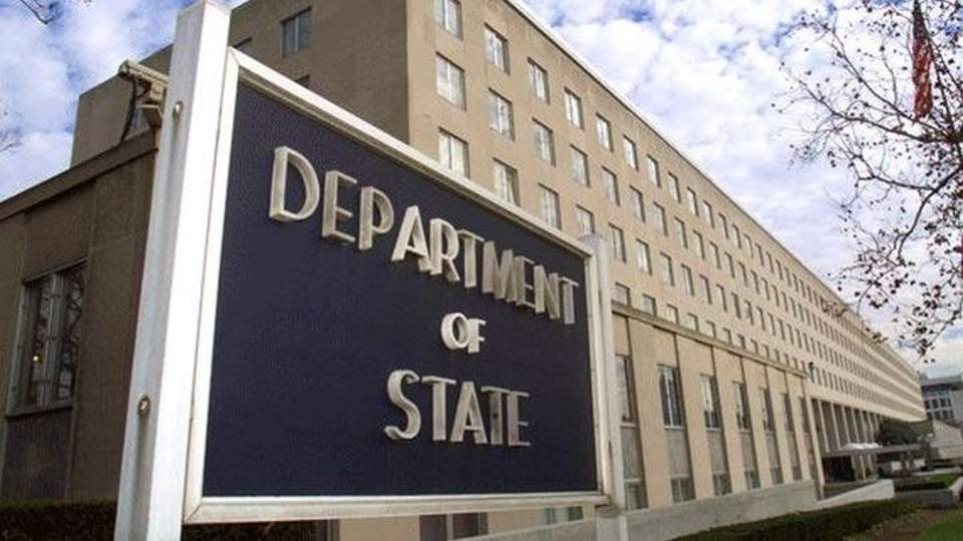
For its part, the State Department wanted to allay the aforementioned concerns and maintained that the US wants to actively support regional efforts to bolster cooperation and stability, such as the 3+1 scheme (comprised of the Republic of Cyprus, Greece, Israel, and the US), but it is shifting it attention to electrical grids.
The change in America’s intentions and priorities should come as no surprise.
It confirms that despite some doubling back by Washington, geopolitical developments in our neighbourhood remain exceptionally fluid.
Those carving out the country’s foreign policy must never forget how volatile things are in the Eastern Mediterranean.
- Ξεκίνησε η καταβολή του Μεταφορικού Ισοδύναμου στους νησιώτες
- Αρχεία Έπσταϊν: Ποια η σχέση του Τζέφρι Έπσταϊν με τον Τόμι Μοτόλα;
- ΟΠΕΚΕΠΕ: Ξεκίνησε η συνεδρίαση της Επιτροπής Δεοντολογίας για την άρση ασυλίας των 11 – Παρόντες Μηταράκης και Τσιάρας
- Outfits για το Πάσχα: Ιδέες για όλη τη μέρα
- Σαν σήμερα πριν από 27 χρόνια, το ιστορικό φιλικό της ΑΕΚ στο εμπόλεμο Βελιγράδι (vid)
- Ρόδος: Γονείς πήραν το άρρωστο βρέφος τους χωρίς έγκριση από το νοσοκομείο – Νοσηλεύεται διασωληνωμένο