
English edition
Editorial Ta Nea: An historic agreement
The second parameter of the Greece-Italy EEZ agreement is the content of the agreement – the right of islands to have sea zone
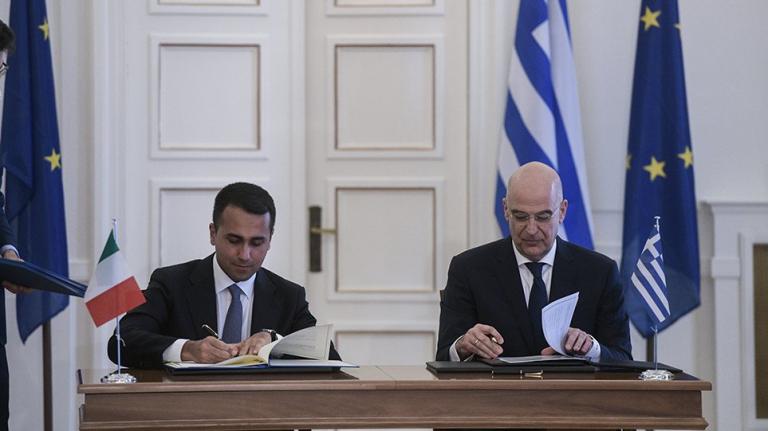
The second parameter of the Greece-Italy EEZ agreement is the content of the agreement – the right of islands to have sea zone
In managing the effects of the Coronavirus pandemic he positively impressed everyone with his clear judgment, the directness of his choices, and his swift reaction.
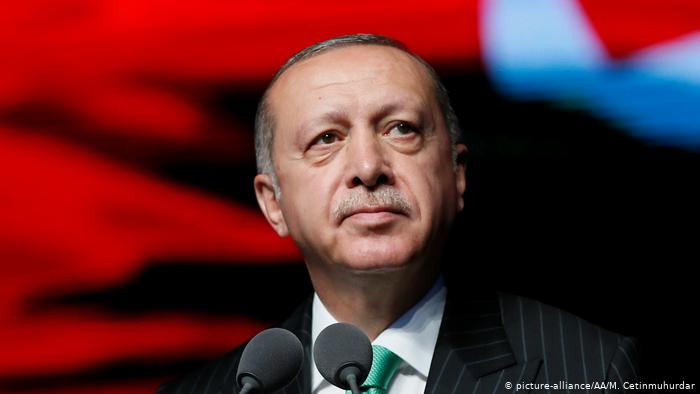
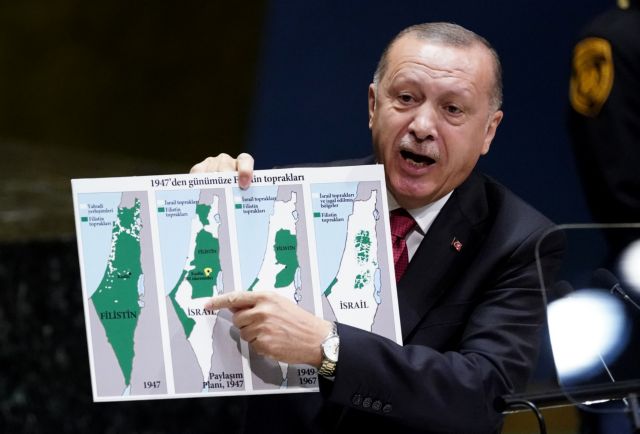
Erdogan went as far as to maintain that Turkish-occupied Cyprus (recognised only by Turkey as a state) will split any gas and oil Ankara finds in the EEZ of the Republic of Cyprus with the Greek-Cypriots.
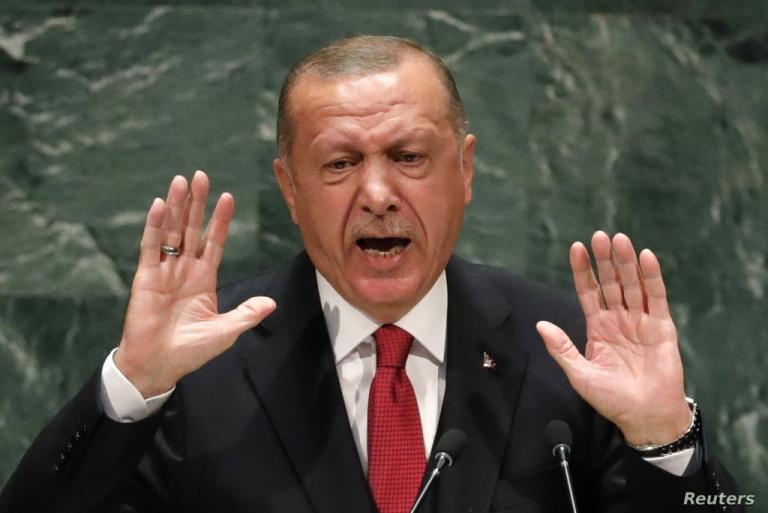
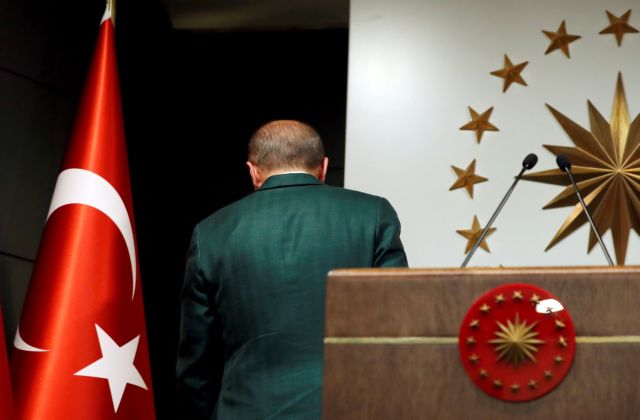
Greece must not be dragged along by the sensationalist moves that are a staple of Turkish President Recep Tayyip Erdogan, whether he is motivated by expansionism, megalomania or domestic issues..
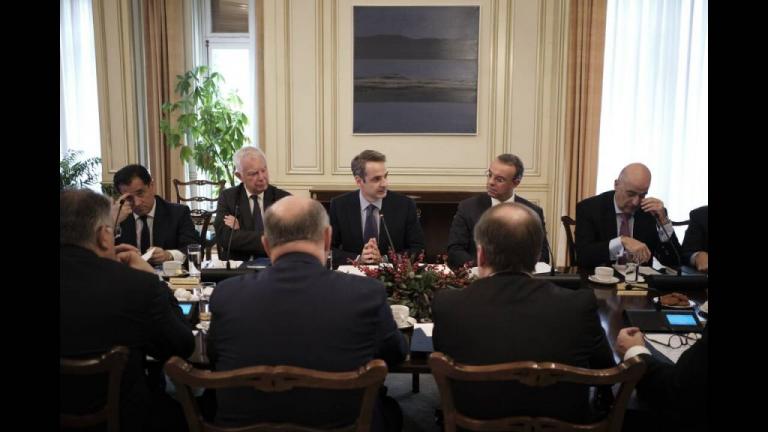
Now Greek academics, politicians and the media present going to The Hague as the best solution amidst Turkey’s bellicose actions at sea.
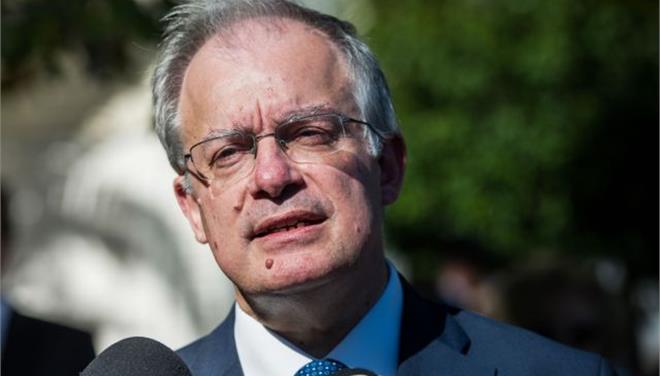
The Parliament Speaker also projected a “normnalisation of relations with our threatening neighbour but did not elaborate how that might happen.
The leader of Turkey loses no opportunity to display his aggressiveness. Yesterday he spoke about grey zones in the Aegean (Greek islands whose sovereignty Ankara disputes) and accused Greece and its allies of trying to block Turkey’s access to the sea. He announced that he will bolster Ankara’s military support for the government of Libya. Athens responds to this intransigence with the Agreement of the Four in which it is joined by Israel, Egypt, and Cyprus for the construction of the EastMed pipeline. Greece is also taking initiatives in the Middle East such as the foreign minister’s trip to Libya and Egypt yesterday. Along with these moves the government must not forget that Turkey will remain our neighbour. Hence, channels of communication must remain open not in order to make bilateral agreements on issues (mainly of sovereignty) that divide the countries and which Athens has always considered non-negotiable, but rather to make it possible for Greece and Turkey to eventually go to the International Court of Justice to resolve issues that the two sides have agreed to in advance. There are many obstacles in such a course. The Greek political class fears the political cost that reviving this issue will have. The Turkish political class, which theoretically does not rule out such an eventuality in fact places so many preconditions that make such a solution prohibitive. That does not mean that diplomacy must resign itself to the current situation and problems. A military clash would be disastrous for both countries. Greece is also taking initiatives in the Middle East such as the foreign minister’s trip to Libya and Egypt yesterday.
Though the defence of sovereign rights is a paramount aim, nothing and no one should drag the country down pathways that diverge from post-war European mores such as the avoidance of armed conflict,.
Yet when one goes from theory to the reality on the ground, one cannot but wonder how that aim can be achieved when Turkey is attempting to to create in a totally arbitrary manner a corridor in the Mediterranean.
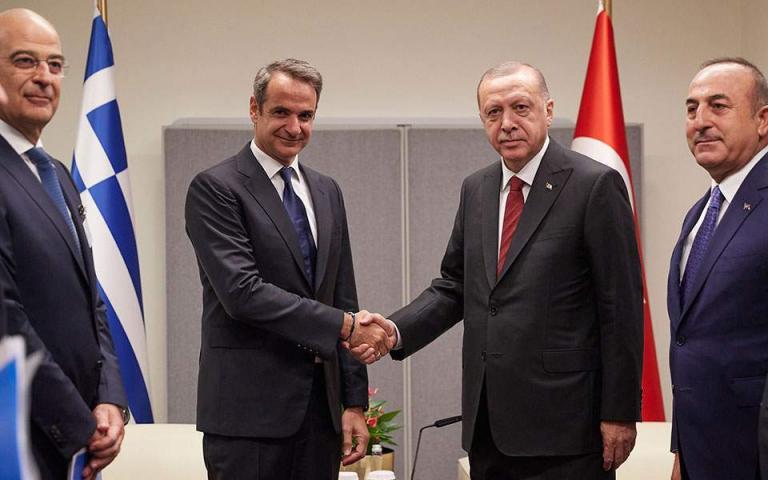
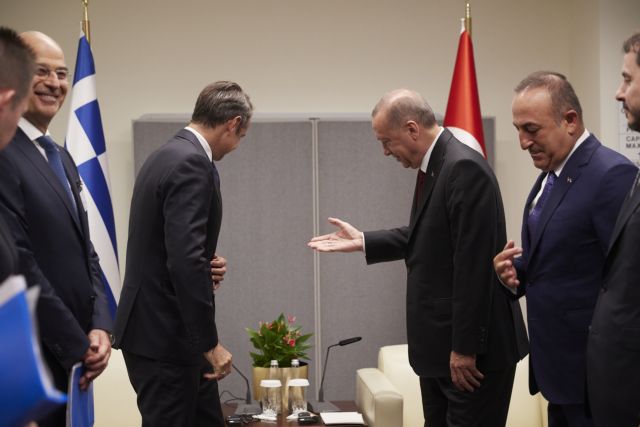
'SYRIZA has become their [terrorists'] refuge. Consequently, we expect you to take a stand. Your support will strengthen our support for you.,' Erdogan said he told Mitsotakis.
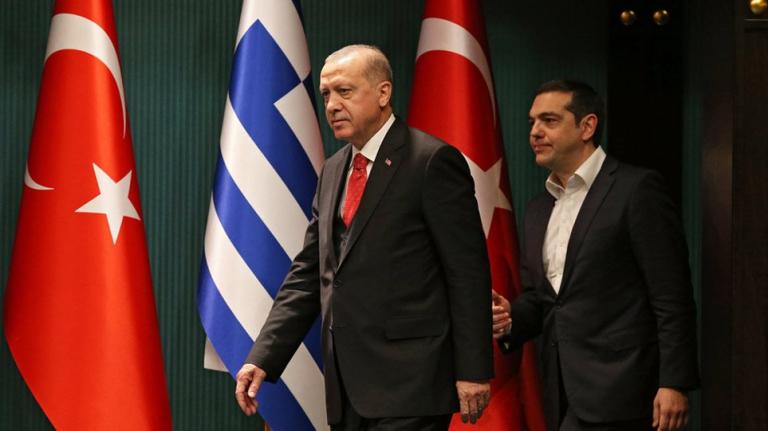
The dialogue with Turkey must continue even if the positions of the Greek side are of those of one crying in the wilderness.
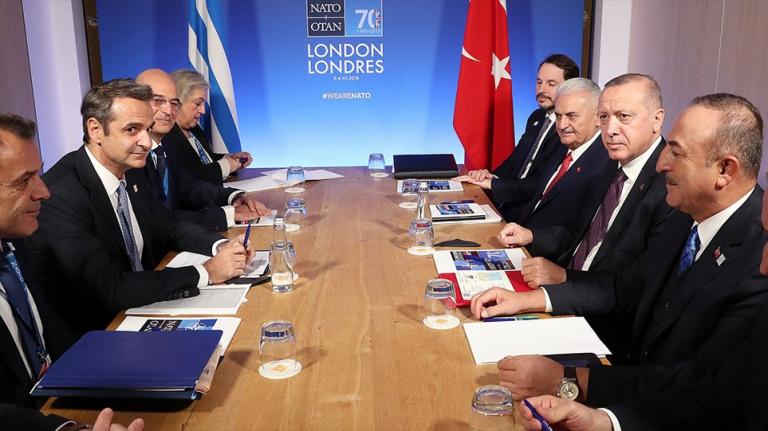
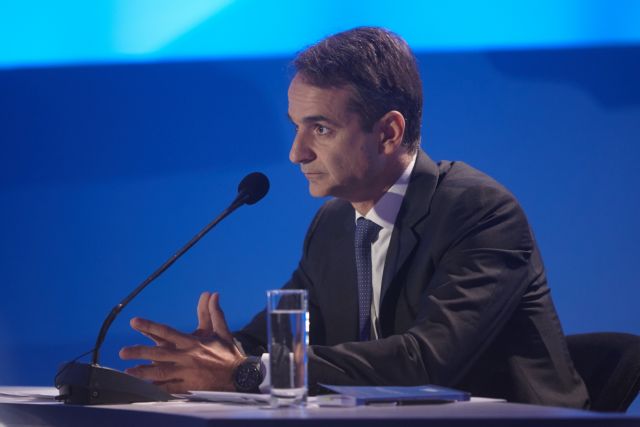
Mitsotakis told Erdogan that the Turkey-Libya MOU on delimiting the two countries' EEZs is legally null and void.
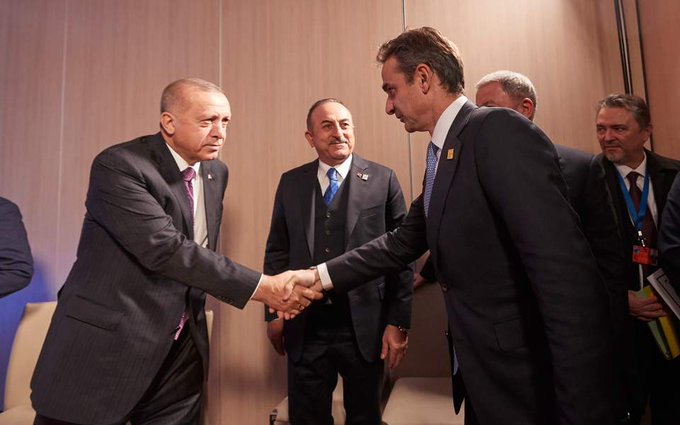
The last decades have demonstrated that despite expressions of friendship Turkey’s policies, demands, and threats remain steadfast.
Greece can lead the effort to bring along its Balkan partners on an outward-looking path of self-confidence.
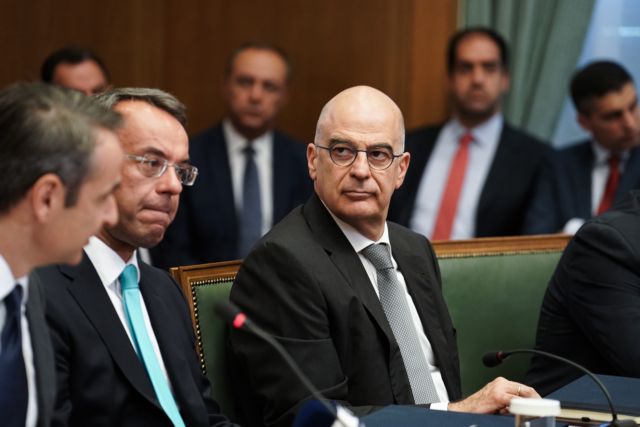
Mitsotakis noted that the situation inherited by his government in the economy was is not rosy but that it will be possible to implement its policies due to an over-performance in revenues during the last two months.
Either a country can be dragged into power plays and sabre-rattling or it acts in a calm and prudent manner with knowledge of its geopolitical position and interenational alliances.
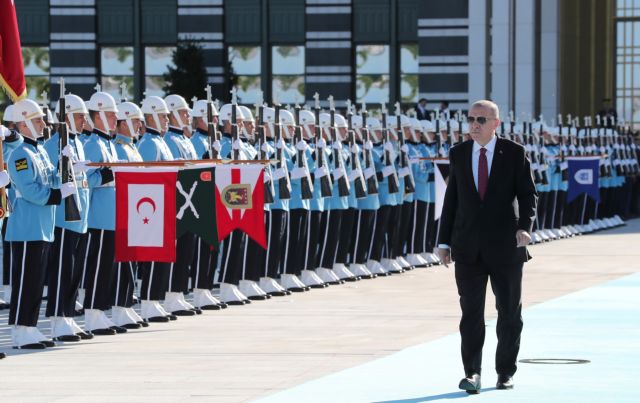
You will say Erdogan is in power today. Certainly, Turkey has changed. What will not change unto the ages is that Turkey is our neighbour and will always be.
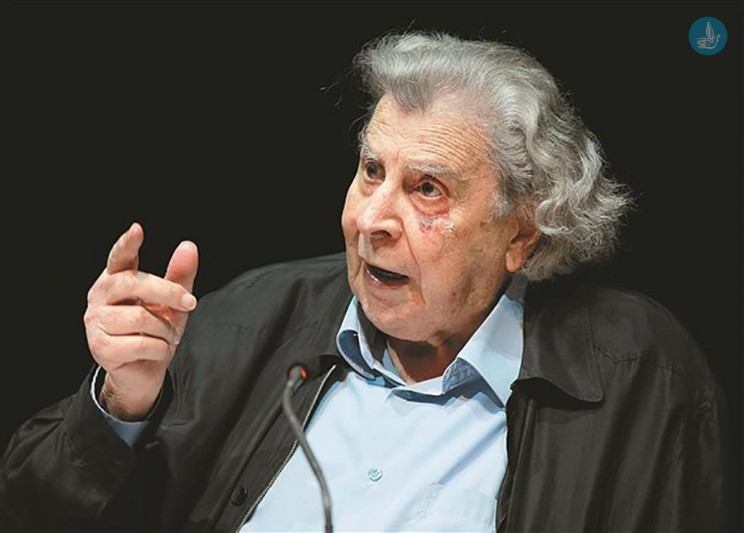
It is the first condemnation of Turkey’s actions in the Eastern Mediterranean since New Democracy leader Kyriakos Mitsotakis took power and appointed veteran conservative MP Nikos Dendias, an attorney, as foreign minister.
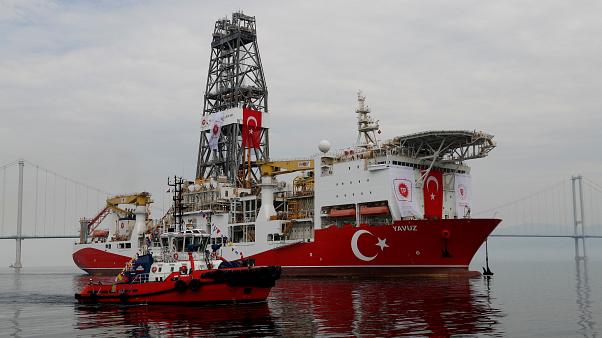
The paramount concern of the current government must be not to let an issue involving exploitation of energy resources turn into a Greek-Turkish clash.
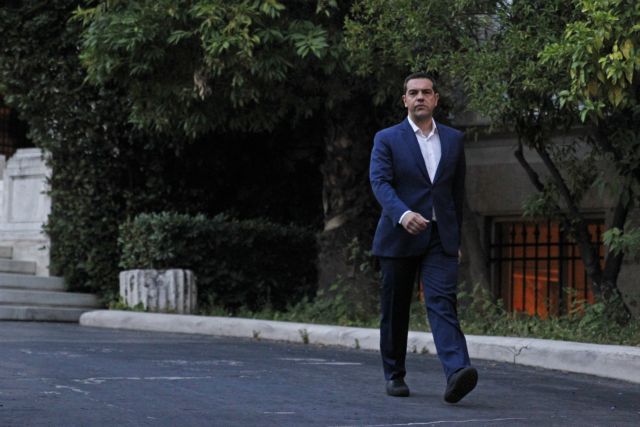
One can safely assume that Turkey’s tactics – which include sabre-rattling and provocations – will escalate in the immediate future.
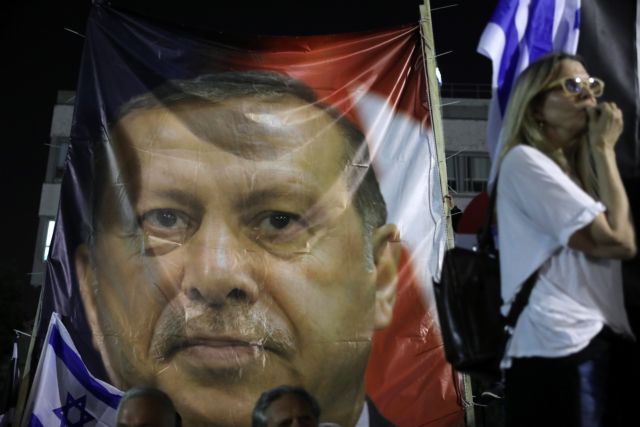
Athens must not become isolated and limit the handling of tensions fueled by Ankara to the framework of a Greek-Turkish dispute. Greece has every reason to behave as a member of the EU and Nato.
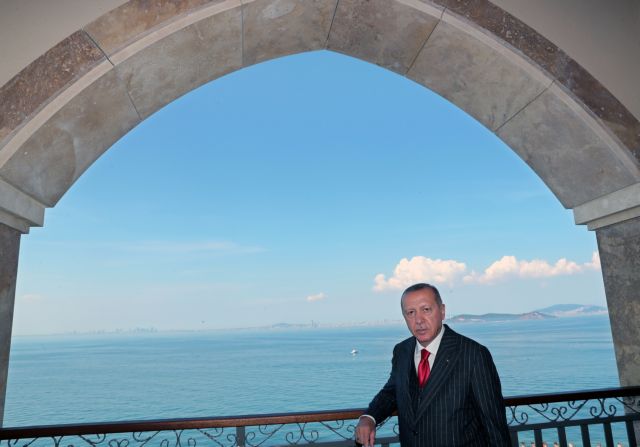
The government and the opposition, trapped in a ruthless political clash just ten days before the European Parliament election, are downplaying or even ignoring Turkey’s evolving and escalating hostility in the region. With constant manoeuvres, Erdogan is disputing the status quo in the Eastern Mediterranean and seeking an opportunity to advance what he views as his interests. He has pressed forward with gas exploration in Cyprus’ Exclusive Economic zone with a rather tepid international response. He formalised his claims by summoning the diplomats of neighbouring countries, including Cyprus, Egypt, and Greece. He is pressing on with huge military exercises and loses no opportunity to violate Greek airspace. If one factors in the tensions in the broader region – with attacks on ships and the open conflict between the US and Iran – it is clear that the situation is becoming explosive. The Greek government’s statements of condemnation obviously do not address the issue, nor does a merely formal alignment of the government and the opposition suffice to confront Ankara’s provocations. Unfortunately, domestic political polarisation does not permit the hammering out of a unified national line that can address current threats and provide a long-term national strategy. Pressured by domestic economic problems and his party’s loss of the Istanbul mayoralty, Erdogan is seeking a way out of his impasse abroad so as to rally his domestic political base. Erdogan is unpredictable and volatile and thus there is a danger that he might provoke a crisis that could easily spin out of control. There is enough military firepower gathered in the Eastern Mediterranean to pose the risk of triggering an explosion at any moment. The leader of the American superpower is also unstable and unpredictable enough to provoke a crisis in the region in order to flex his muscle. Meanwhile, the fact that the European Union is almost paralysed and unable at the moment to take bold decisions further complicates the situation. In Greece, the necessary national understanding is being undermined by the frenzied electoral campaign. The prime minister, who should have taken the initiative to rally political forces so as to forge a national strategy, is preoccupied with his struggle to cling to power at all costs. The result is that Greece is drifting and monitoring events as a bystander instead of seeking alliances and fending off designs and provocations. Though there is absolutely no room for complacency, we are preoccupied with polarising domestic clashes instead of seeking the basis for an understanding at least on national issues that have bedeviled us for decades. The government and the opposition, trapped in a ruthless political clash just ten days before the European Parliament election, are downplaying or even ignoring Turkey’s evolving and escalating hostility in the region.
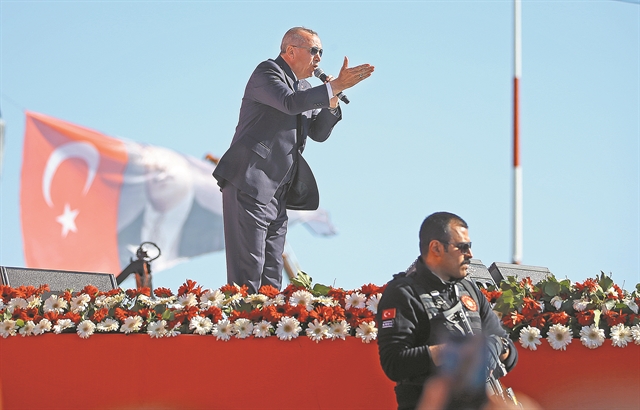
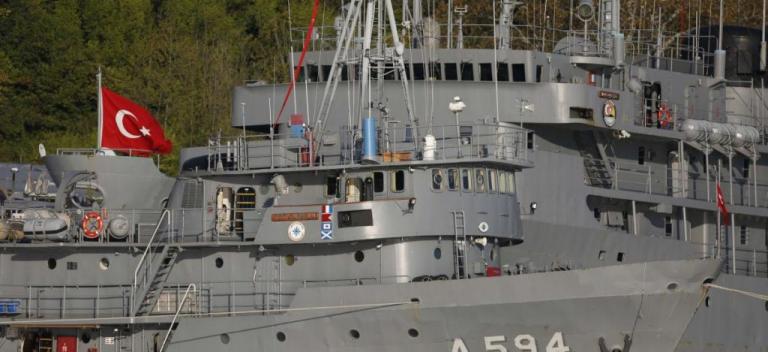
The activity of the Turkish marine seismographic survey ship “Barbaros” in Cyprus' EEZ shows that Ankara will yet again use provocations to achieve its goals.
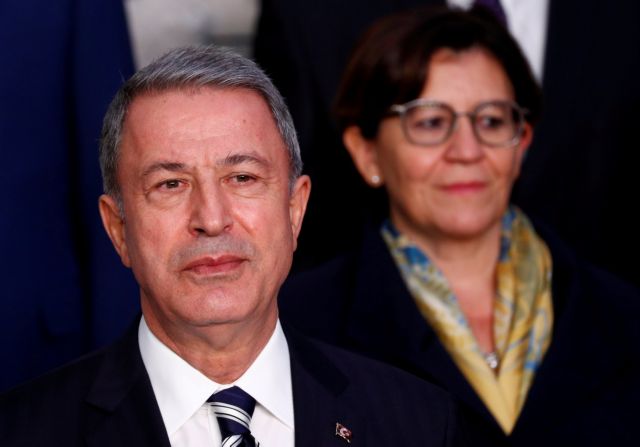
'Despite our good will we shall do whatever is necessary to defend our rights and just positions and we shall respond,' Akar, the former chairman of Turkey’s Joint Chiefs of Staff, said.
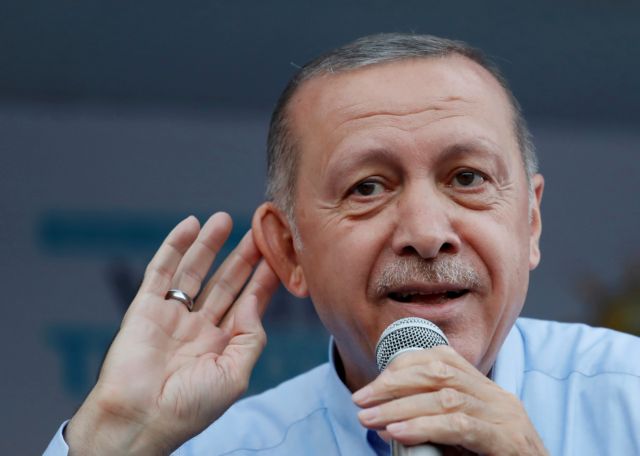
The emotional framework may well determine Erdogan's future behaviour. It will quite possibly resemble the behaviour of a wounded beast, which in political terms could result in a new round of provocations, violations, and claims.
Διαχειριστής - Διευθυντής: Λευτέρης Θ. Χαραλαμπόπουλος
Διευθύντρια Σύνταξης: Αργυρώ Τσατσούλη
Ιδιοκτησία - Δικαιούχος domain name: ALTER EGO MEDIA A.E.
Νόμιμος Εκπρόσωπος: Ιωάννης Βρέντζος
Έδρα - Γραφεία: Λεωφόρος Συγγρού αρ 340, Καλλιθέα, ΤΚ 17673
ΑΦΜ: 800745939, ΔΟΥ: ΚΕΦΟΔΕ ΑΤΤΙΚΗΣ
Ηλεκτρονική διεύθυνση Επικοινωνίας: in@alteregomedia.org, Τηλ. Επικοινωνίας: 2107547007
 Αριθμός Πιστοποίησης Μ.Η.Τ.232442
